Commercial construction projects rarely go off track because of one major mistake. More often, the problems start earlier: unclear coordination, disconnected decision-making, incomplete scope alignment, and avoidable friction between design intent and field execution.
That is why early collaboration matters.
When the contractor is brought into the conversation early enough, the project team can identify practical risks before they become schedule problems, budget pressure, or field-level rework. Instead of reacting late, the team gets a better path to alignment from the start.
Why early collaboration changes project outcomes
Early Contractor Collaboration
Reduce risk before it reaches the field
Early collaboration gives project teams a practical way to surface constructability, schedule, scope, and coordination issues while they are still easier to solve.
Scope alignmentClarify assumptions, responsibilities, and project priorities before execution pressure builds.
Constructability reviewIdentify field realities earlier so the plan is stronger before work starts.
Schedule stabilityProtect sequencing and procurement decisions before they create downstream friction.
Stakeholder coordinationKeep owners, designers, vendors, and field teams aligned around the same plan.
In many commercial projects, teams lose time when key decisions are made in sequence instead of in coordination. Design develops in one lane. Constructability questions emerge later. Budget implications surface after expectations are already set. Then the project has to spend time unwinding issues that could have been clarified much earlier.
Early collaboration helps reduce that risk by creating better alignment around:
- project scope and delivery expectations
- constructability and sequencing concerns
- schedule pressure points
- coordination between stakeholders
- the practical realities of field execution
This does not remove complexity from a project. It gives the team a better structure for managing it.

The value of a contractor before problems appear
A strong commercial contractor does more than execute a plan after the fact. The right contractor helps identify where execution risk is likely to show up before the project is deep into avoidable changes.
That can include:
- clarifying how scope decisions affect real-world sequencing
- identifying details that may create downstream coordination issues
- surfacing trade or field constraints earlier
- helping align expectations between planning and execution
- reducing the gap between concept and buildable reality
When that work happens earlier, teams are usually in a better position to move with less confusion and fewer late-stage surprises.
What this looks like in practice
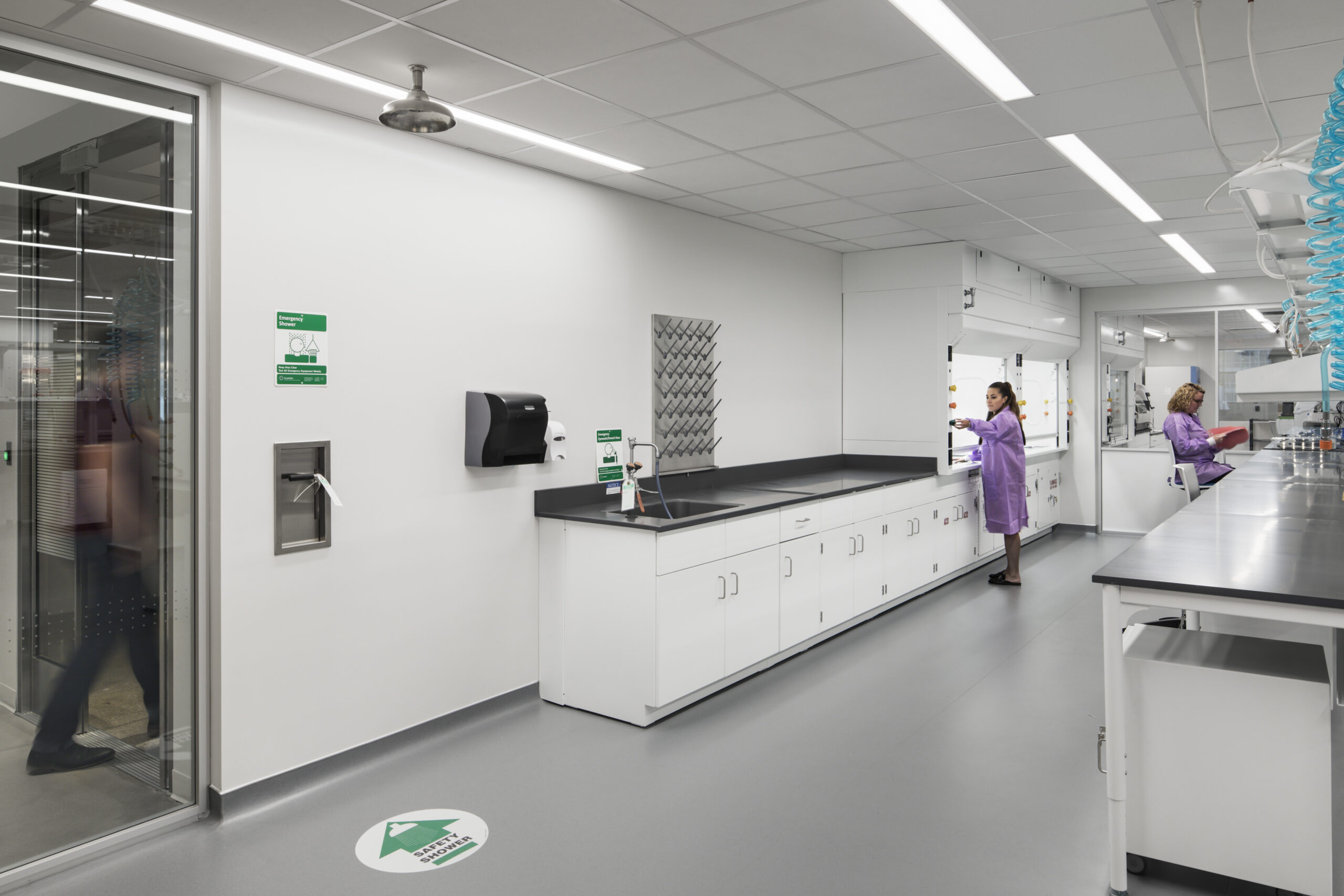
Talisen’s 10th-floor wet-lab prebuild at Hudson Research Center is a useful example of why earlier coordination matters.
Talisen worked with Taconic Investment Partners and Perkins&Will on the project. Because BIM was used from the project’s inception, the team was able to identify a ceiling-space conflict involving required piping before that conflict became field rework.
That early visibility gave the project team time to revise the ceiling height during planning instead of discovering the issue after installation had already begun. What could have become a field-level problem became a preconstruction decision.
That is the practical value of early contractor collaboration. It helps project teams catch buildability, sequencing, and coordination issues while there is still time to solve them cleanly.
Early contractor collaboration reduces risk before construction starts
Where collaboration has the biggest impact
The biggest benefit usually shows up in the areas that become expensive when they are handled too late.
1. Scope alignment
If teams are not aligned on what is being built, how it will be executed, and where decision responsibility sits, confusion compounds quickly. Early collaboration helps create a cleaner foundation for the rest of the project.
2. Constructability review
Not every issue is visible on paper. Bringing execution thinking into the process early helps uncover details that could slow down progress later. The Hudson Research Center BIM example shows how a constructability issue can be identified and resolved before it turns into a field constraint.
3. Schedule stability
Delays often come from cascading small issues, not just a single failure. Better coordination early can reduce the number of avoidable conflicts that create schedule drag.
4. Communication across stakeholders
Commercial construction involves multiple parties with different priorities. A more collaborative process helps reduce misunderstandings and makes it easier to keep decisions tied to actual project needs.
Why this matters for owners, architects, and project teams
Every project team wants fewer surprises. Owners want confidence that execution can match expectations. Architects want the design intent carried through responsibly. Contractors need a realistic path to delivery in the field.
Early collaboration supports all three.
It helps owners make decisions with better visibility. It helps architects identify practical concerns sooner. It helps contractors build from a more coordinated foundation.
The result is not just smoother communication. It is a stronger path to project delivery.
A better way to reduce avoidable friction
Commercial construction will always involve complexity. The goal is not to eliminate every challenge. The goal is to reduce preventable friction before it becomes expensive, time-consuming, or disruptive.
That is what early contractor collaboration is for.
When project teams align earlier, they are better positioned to protect schedule, improve coordination, and move the work forward with fewer avoidable breakdowns.

Project Proof
Hudson Research Center demonstrates the value of coordination
The Hudson Research Center BIM case study shows how early technical coordination can help teams identify conflicts, align stakeholders, and reduce avoidable friction.
For teams planning commercial construction work, early coordination is not just a process preference. It is one of the most practical ways to reduce risk and improve project execution.
Talisen’s service and project experience position this topic naturally within a broader conversation around commercial delivery, collaboration, and execution quality.
Planning a project where coordination matters?
Talisen helps project teams bring constructability, sequencing, coordination, and delivery thinking into the conversation earlier, before avoidable issues become field problems.